Current Graphic Design Trends:
What’s Defining 2025 Visual Culture?
Graphic design is always evolving — reflecting culture, technology, and the shifting ways we communicate. As we step further into 2025, design is becoming bolder, more human, and more responsive to the world around us. Whether you're a designer, business owner, or just someone who appreciates great visuals, here’s a look at the top graphic design trends shaping the creative landscape right now.
1. Hyper-Personal Branding
We’re seeing a continued shift toward personal, emotion-led branding. Logos are less corporate, more expressive. Visual identities now tell stories — through custom typography, hand-drawn elements, or layered collage. Brands want to feel human, not just polished — and audiences are responding to that authenticity.
2. Maximalism & Bold Color
Minimalism isn’t dead, but maximalism is stealing the spotlight. Think loud color palettes, clashing patterns, chaotic layouts — and somehow, it works. Designers are embracing visual overload to stand out and make a statement, especially in digital spaces where attention is fleeting.
3. Retro-Futurism & Y2K Aesthetics
Design continues to look both forward and backward. Retro-futurism is trending, blending sci-fi vibes, pixel fonts, metallic textures, and glitch effects. At the same time, Y2K is still going strong — think bubble type, chrome gradients, and nostalgic website layouts inspired by the early internet.
4. Motion-First Design
Static design is taking a back seat to movement. From animated logos to interactive web elements, motion is now a core part of visual storytelling. Designers are thinking in motion from the start — how elements transition, respond, or guide the user through an experience.
5. Accessible, Inclusive Design
There’s a growing awareness of the importance of inclusive visuals — not just in terms of diverse representation, but in design that’s truly accessible. Readable fonts, high contrast, intuitive UX, and neurodiversity-friendly visuals are becoming industry standards, not afterthoughts.
6. AI-Collaborative Creativity
AI tools are no longer just buzzwords — they’re active collaborators in the design process. From concept generation to moodboarding to refining layouts, designers are integrating AI to spark ideas and speed up workflows, while still keeping the creative direction deeply human.
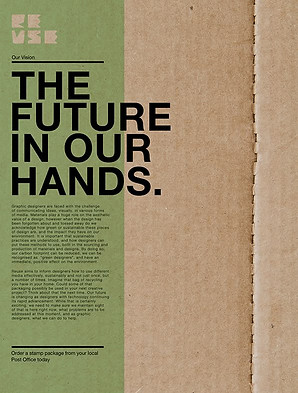
7. Eco-Visuals & Sustainable Aesthetics
Designers are thinking green — not just in message, but in look. Natural textures, earthy color palettes, and minimal packaging design reflect a push toward sustainability. There's also an emphasis on digital efficiency, with lighter websites and print-free branding approaches.
8. Brutalism 2.0
The raw, unapologetic edge of brutalist design is evolving. What once felt harsh is now being reimagined with softer type, layered imagery, and intentional contrast. It's messy on purpose, creating a kind of organized rebellion that grabs attention without losing coherence.